ISO 9001:2015 Certified Manufacturer
Elastomer-to-Substrate Bonding Capabilities
HTEI manufactures bonded elastomer components for applications requiring controlled tolerances, reliable adhesion, and repeatable production quality.
Capabilities include elastomer bonding, material formulation, prototype validation, and controlled production manufacturing.
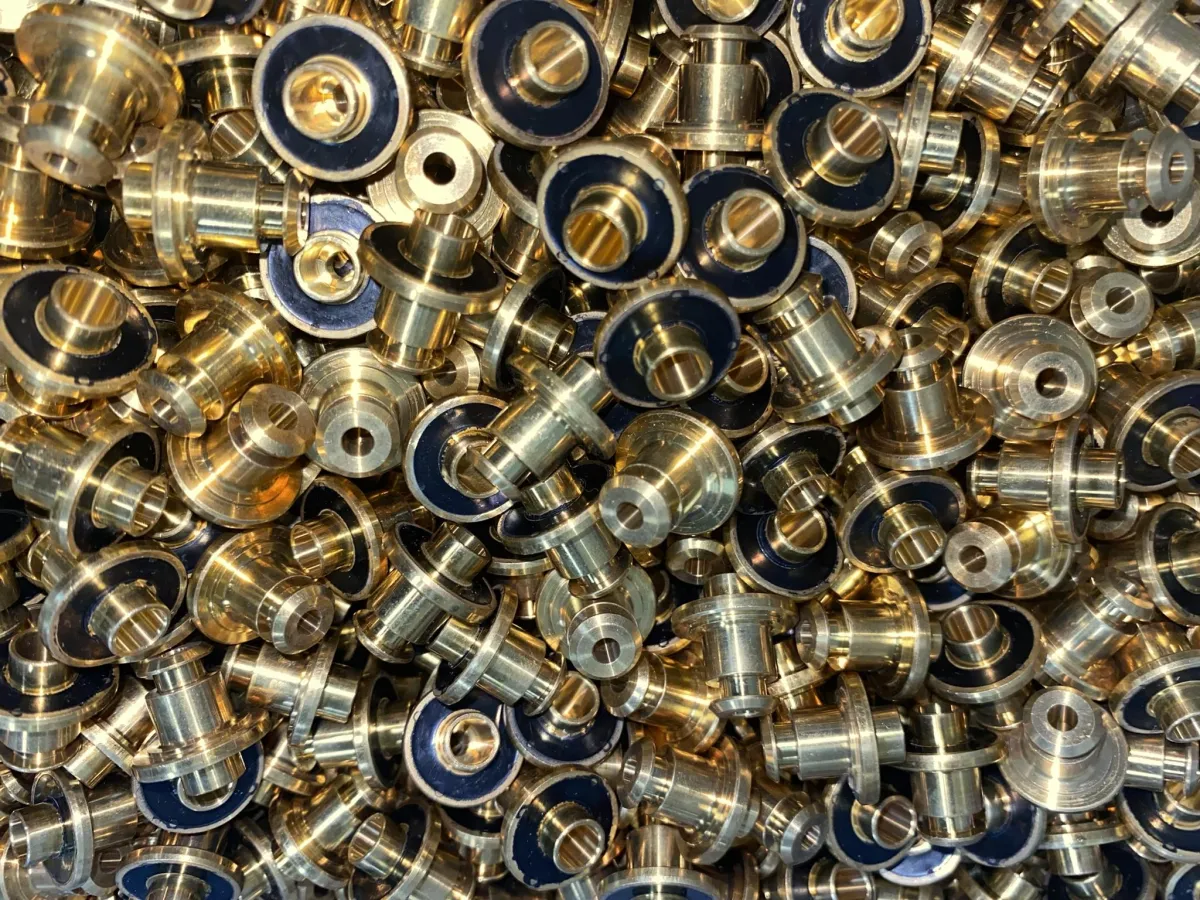
Substrate Bonding: Metals | Plastics | Composites | Glass
Elastomer-to-Substrate Bonding
HTEI manufactures bonded elastomer components for applications requiring reliable adhesion between elastomers and engineered substrates.
Bonding processes are developed to maintain adhesion strength, dimensional stability, and long-term durability in demanding operating environments.
Bonding Process
HTEI bonds elastomers to metals, plastics, composites, and engineered substrates.
Bonding methods are selected based on substrate properties, environmental exposure, and performance requirements.
Surface preparation, formulation, and molding processes are controlled to ensure adhesion strength and repeatability.
Bonding Capabilities
Rubber-to-metal bonding
Elastomer-to-Plastic Bonding
Composite & Smooth Surface Bonding
Precision Bonded Seals & Components
Custom Elastomer Formulation
Elastomer compounds are formulated to meet the environmental, mechanical, and chemical requirements of each application.
Material selection is based on operating conditions, substrate compatibility, and performance requirements. See available materials and their performance characteristics.
Material Engineering
HTEI develops elastomer compounds tailored to application requirements including temperature exposure, chemical contact, mechanical stress, and environmental conditions.
Compound selection and formulation are evaluated to ensure bonding reliability and long-term component performance.
Formulation Considerations
Temperature Range
Chemical / Oil Exposure
Abrasion Resistance
Compression Set / Sealing Performance
Substrate Compatibility
Prototype Development
Prototype development is used to evaluate bonding methods, material selection, and dimensional requirements prior to production release. See typical components produced.
Prototype builds validate performance and identify potential issues before full-scale manufacturing.
Prototype Process
HTEI produces prototype components to verify bonding performance, material compatibility, and manufacturability.
Prototype builds are used to refine bonding methods, evaluate tolerances, and confirm design requirements before transitioning to production.
Prototype Capabilities
Bonding Method Validation
Material Compatibility Testing
Dimensional Verification
Prototype Production (Small Batch)
Pre-Production Design Adjustment
Production Manufacturing
HTEI manufactures bonded elastomer components under controlled processes designed to maintain dimensional accuracy, bonding integrity, and repeatable production quality.
Production is structured to support both short-run manufacturing and long-term production programs.
Controlled Manufacturing
Manufacturing processes are controlled to ensure consistent bonding performance, dimensional stability, and repeatability across production runs.
Process parameters, material handling, and curing conditions are maintained to support reliable output.
Production Capabilities
Short-Run Production
Long-Term Production Programs
Batch Repeatability
Controlled Bonding & Molding
Scalable Production Output
Production Output
Components are produced to meet defined tolerances, material specifications, and performance requirements, including precision seals and gaskets and bonded assemblies.
Manufacturing workflows are structured to maintain quality and consistency from initial production through long-term supply.
In-House Tooling & Mold Design
HTEI designs and manufactures tooling internally to support bonding processes, prototype development, and production manufacturing.
Internal tooling capabilities allow for improved process control, reduced lead times, and consistent part quality.
Tooling & Process Control
Internal mold design and tooling capabilities provide direct control over manufacturing processes.
Tooling is developed to support bonding requirements, material behavior, and dimensional tolerances throughout production.
Tooling Capabilities
Internal Mold Design & Machining
Prototype & Production Tooling
Tooling-Based Process Control
Reduced Lead Times
Tooling Maintenance & Modification
Engineering Design Considerations
When designing components that require elastomer-to-substrate bonding, several factors influence long-term bond performance and manufacturing reliability.
Evaluating these conditions early helps reduce bonding failures and improve production outcomes, particularly in vibration-sensitive and load-exposed applications.
Surface Preparation
• Substrate condition impacts adhesion strength
• Contamination and oxide layers must be controlled
• Preparation method selected per material
Material Compatibility
• Elastomer must be compatible with substrate material
• Temperature, chemical, and oil exposure must be evaluated
• Mechanical loading conditions influence material selection
Environmental Conditions
• Temperature variation affects material performance
• Chemical exposure impacts compound stability
• Pressure cycling and vibration influence bond durability
Tolerance & Dimensional Control
• Dimensional stability must be maintained during curing
• Tolerance requirements define tooling and process control
• Process variation must be controlled for repeatability
Prototype-to-Production Workflow
HTEI follows a structured workflow to evaluate bonding requirements, validate component performance, and transition projects into controlled production.
Each phase is used to reduce development risk and improve production consistency.
01 — Consultation
Functional requirements, operating conditions, substrate materials, and bonding challenges are reviewed at the start of the project.
This stage defines performance targets, environmental conditions, and production requirements.
02 — Design & Prototyping
Bonding methods, material compatibility, and dimensional requirements are evaluated through prototype development.
Prototype builds are used to confirm manufacturability and identify required design adjustments before production release.
03 — Inspection & Validation
Prototype and production-intent components are inspected to verify tolerances, bonding integrity, and overall part quality.
Inspection procedures are used to confirm that components meet defined dimensional and performance requirements.
04 — Production
Validated processes transition into controlled manufacturing to support repeatable output and long-term production supply.
Production workflows are maintained to ensure consistent bonding performance, dimensional accuracy, and batch-to-batch reliability.
Request a Quote or Submit Drawings
Engineers and procurement teams can submit drawings, request pricing, or discuss bonding requirements with HTEI.
Project details, material specifications, and performance requirements can be reviewed prior to production.
Phone
Hours
Monday - Friday, 8:00 am - 5:00 pm
© 2026 High Tech Elastomers Inc., All Rights Reserved | Site created by Webnine LLC
Frequently Asked Questions
Q:
What industries does High Tech Elastomers serve?
High Tech Elastomers provides elastomer bonding solutions for a wide range of industries, including aerospace, automotive, medical devices, industrial machinery, and oil & gas. Our expertise allows us to tackle the unique bonding challenges presented by each sector.
Q:
What are your capabilities in precision bonding?
We specialize in precision elastomer bonding with tolerances as tight as .0002 inches and surface finishes up to 8 RMS. Our advanced equipment and expertise ensure consistent accuracy and reliable performance, even for complex or high-stakes applications.
Q:
What is elastomer-to-substrate bonding?
Elastomer-to-substrate bonding refers to the process of securely attaching elastomer materials to other substrates, such as metals, plastics, glass, and alloys. This process enhances the performance and durability of components used in critical applications across various industries.
Q:
Can you create custom elastomer formulations?
Yes, we can custom formulate elastomer compounds to meet the specific requirements of your project. Whether you need materials that withstand extreme temperatures, chemical exposure, or continuous friction, our team will develop a solution that meets your needs.
Q:
What types of substrates can you bond elastomers to?
We have extensive experience bonding elastomers to a variety of substrates, including stainless steel, titanium, aluminum, nylon, glass, super alloys, and other smooth or exotic materials. This versatility allows us to serve industries with highly specialized bonding needs.
Q:
Are you ISO 9001-2015 certified?
Yes, High Tech Elastomers is ISO 9001-2015 certified, meaning we follow stringent quality management standards to ensure the highest level of quality in every product we produce. Our certification reflects our commitment to excellence in both processes and outcomes.